Make Good Choices the Easy Default at Home

Today we explore applying choice architecture at home, using smart layouts that shape better habits without willpower battles. By arranging spaces, objects, and prompts with intention, you can make the desired action obvious, effortless, and rewarding. From the kitchen to the bedroom, small shifts in visibility, sequence, and friction truly matter. I’ll share research-backed principles and practical stories, including mistakes I made when a beautiful basket system actually hid essentials. Join in, ask questions, and experiment with us as we intentionally design rooms that quietly guide daily decisions.

Design Nudges That Stick

Powerful behavior change often starts with what your eyes meet first and what your hands can reach with least resistance. Choice architecture reframes home design as a series of micro-prompts and micro-barriers. Instead of relying on motivation, craft defaults that do the heavy lifting. When cookie jars move high and fruit bowls move forward, outcomes shift. When gym shoes wait by the door, walks happen. Test one tweak at a time, observe what actually changes, and double down on cues that deliver results without nagging anyone, including yourself.

Surface Signals and Visibility

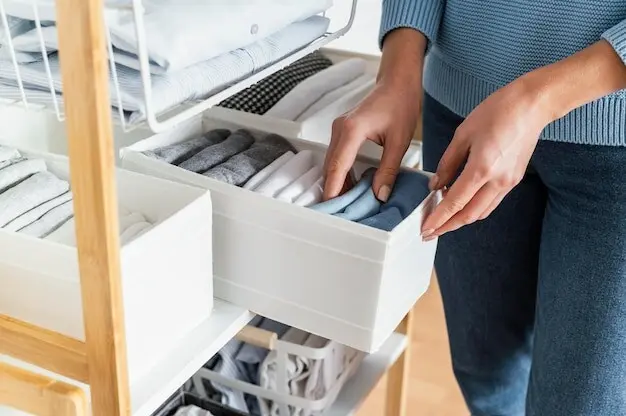
What sits at eye level silently wins more often. Transparent containers, front-facing labels, and open shelving create a visual runway for action. I once swapped opaque bins for glass jars and watched snack choices transform almost overnight. Keep distractions out of sight while elevating helpful tools. A single, tidy charging station can prevent device drift onto the dining table. Boldly feature the objects you want used daily, and relegate competing options to visually quiet zones that respect aspirations rather than sabotage them.

Friction, Effort, and the One-Extra-Step Rule

Make undesired actions require one extra step and desired actions require one fewer. Place the remote in a drawer with a sticky note nudging a short walk first. Pre-fill water bottles and keep them chilled where your hand naturally lands. I hid late-night snacks on a top shelf behind a stool, making tea the easier reach. Tiny obstacles matter. Friction is a design tool, and when deployed gently, it protects attention, energy, and intentions without harsh rules or constant self-negotiation.

Sequencing Moments and Pathways

Map the path your body takes through a space and stack helpful cues along that route. Keys hang before the shoe rack, and the tote with returns sits by the handle you touch last. I laid yoga mats in a narrow corridor so rolling one out became automatic after coffee. Place gratitude journals beside the lamp you always switch off. When actions are sequenced in physical order, memory offloads onto place, and routines unfold like pleasant dominoes rather than brittle resolutions.

A Kitchen That Favors Healthy Plates

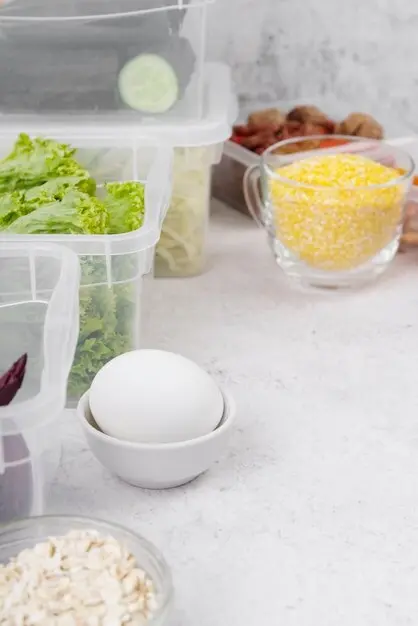
The kitchen is a lab for intention. Visibility, prep flow, and portion cues convert good intentions into delicious defaults. Put produce at the front, knives sharp and ready, and spices visible like a color wheel. I learned that a dedicated salad zone with bowls and tongs pre-staged beats any nutrition app. Design your counters for action, not clutter. When the first thing you see suggests chopping, rinsing, and assembling, dinner moves from decision fatigue to friendly autopilot, and nutritious choices simply happen more often.

Pantry at a Glance

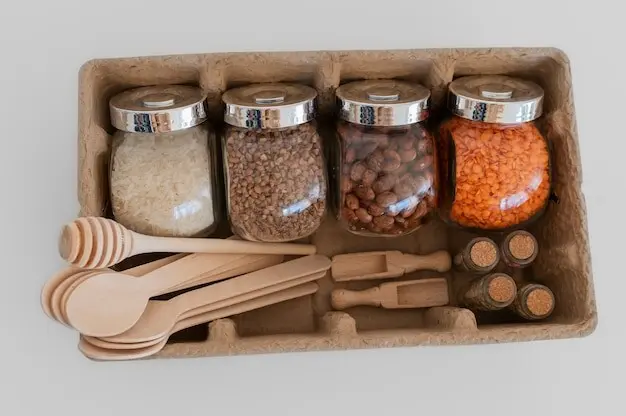
Group staples by use-case, not by packaging. Create a breakfast shelf, a quick-dinner bin, and a snack station with smaller portions up front. Clear canisters curb chaos and prevent overbuying. I placed whole grains at eye level and slid chips behind a lazy Susan, instantly nudging better grab-and-go decisions. Add an inventory card clipped inside the door to prompt quick restocks. When the pantry reads like a helpful menu instead of a puzzle, you save time, money, and decision energy daily.

A Prep Zone That Invites Cooking

Anchor knives, cutting boards, compost bin, and produce wash in one reach. Keep counter space open by default, using a tray system for small tools that lifts off in seconds. I mounted a magnetic strip and found myself chopping more, because the tools practically asked to be used. A bowl for onion skins nearby reduces micro-mess friction. The more steps you remove between intention and action, the more likely wholesome meals become a regular, enjoyable rhythm without elaborate planning or guilt.

Entrances That Launch Better Routines

Thresholds are powerful. The first sixty seconds after you enter or before you leave establish momentum toward or away from goals. By zoning the entryway with intentional stations, you reduce lost items, late departures, and last-minute scrambles. I added a narrow bench with labeled baskets and watched our mornings unclench. Hooks at child height build autonomy; a tray for mail creates triage, not piles. When the doorway supports movement, not confusion, you repeatedly experience quiet wins that ripple through the day.

Landing Zones by Intention

Assign a clear home for keys, wallets, masks, and passes near the door you actually use. Use shallow trays to avoid burying items and a small vertical file for incoming mail. I paired a bright key hook with a habit of immediate drop, which ended frantic searches. Keep umbrellas and dog leashes visible enough to spark walks. Label lightly so guests and kids can self-serve. A reliable landing zone transforms chaos into calm without adding extra chores or reminders.

Micro-Rewards That Keep Momentum

Tuck a gratitude card, a tiny plant, or a rotating photo by the exit to create a pleasant micro-reward that pairs with leaving on time. I placed a small speaker with a morning playlist that starts after shoes go on, making prompt departures feel upbeat. Positive emotion cements routines better than stern instructions. Celebrate the click of the locked door with a brief breath pattern. Reward loops, embedded right where behavior occurs, strengthen consistency with surprising speed and staying power.

Sleep-Smart Bedrooms

Sleep benefits from guardrails that reduce stimulation and cue wind-down. Instead of policing bedtime, let the room do it for you. I installed warm, dimmable lights and moved chargers beyond reach, which ended doom-scroll spirals. Keep reading material curated and comforting, not chaotic. Add blackout options and consistent temperatures. When your bedroom treats rest as a default outcome, you wake clearer and kinder. Good sleep is a compound interest engine for every other habit, and design choices are the deposits.

Living Spaces for Focus and Play

The living room often juggles reading, conversation, and screens. Clear intent in layout prevents every activity from interrupting every other. I separated a focus corner with a lamp and lap desk, while games migrated into an easy-grab shelf. A visible “reset basket” turned cleanup into a quick win. If leisure and concentration both have dignified homes, you stop battling your space. Design should invite the next right choice: unwind with ease, or sink into a deep work groove without friction.

Sustainable Habits Built Into Utilities

Systems for laundry, cleaning, and waste can quietly encourage eco-friendly and health-supporting choices. Instead of moralizing, let bins, labels, and reachability make stewardship easy. I added a compost caddy with carbon filters right beside the cutting board and our participation shot up. Color-coded laundry baskets removed guesswork and saved hours. When sustainable actions are simpler than alternatives, consistency grows. Your home can embody care for the planet and your schedule by making green behaviors the comfortable, obvious, and dignified path.
Siranovizentolaximira
Privacy Overview

This website uses cookies so that we can provide you with the best user experience possible. Cookie information is stored in your browser and performs functions such as recognising you when you return to our website and helping our team to understand which sections of the website you find most interesting and useful.